Biodiesel from the wrong feedstock
An unfinished research project, kept here because the way it failed taught me more than the way it was supposed to go.
The idea
The Marmara Sea had a severe marine mucilage bloom (“sea snot”) that smothered shallow ecosystems and cost a great deal to remove. Mucilage is largely organic. If it could be converted into biodiesel, a disposal cost becomes a feedstock.
What happened
The mucilage did not return in the season we ran the project. Marmara blooms are temperature-dependent, and we had a year without one, which left us with a method and nothing to apply it to.
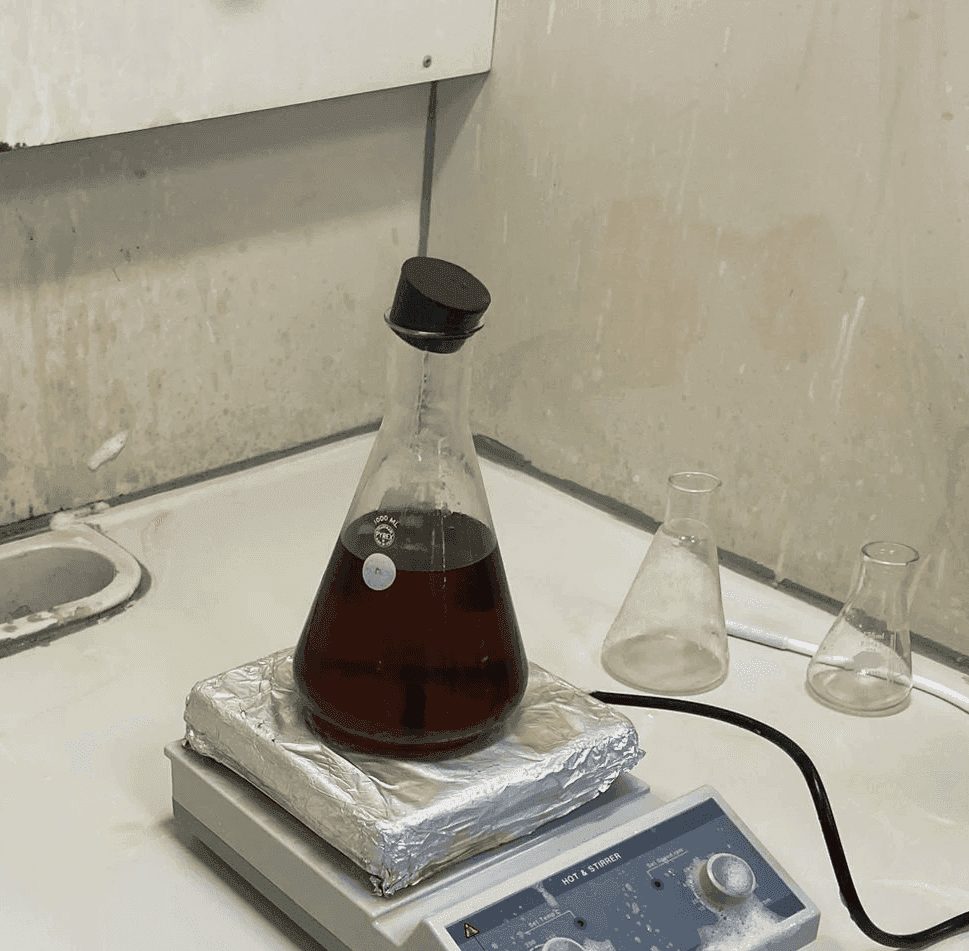
So we validated the process on waste cooking oil instead, a feedstock with no supply problem and real value in its own right, and produced biodiesel from it via transesterification.
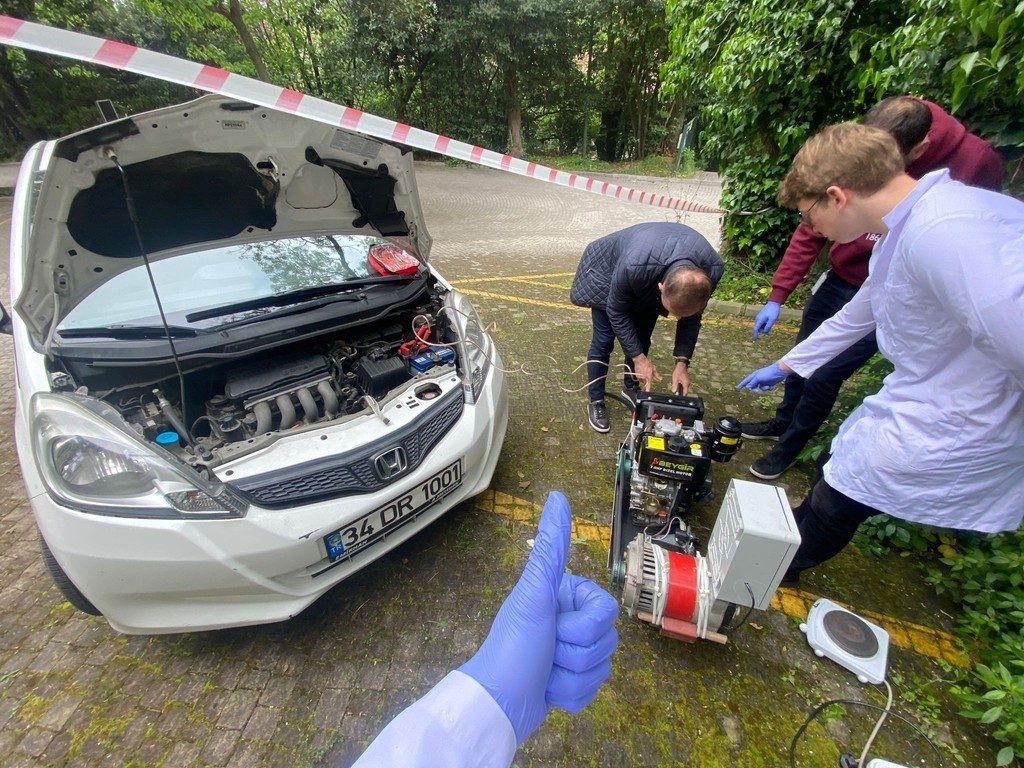
We then tested the fuel in a small diesel engine driving an alternator, with an ammeter and voltmeter on the output as a crude but workable proxy for delivered power.
What broke
The premise broke, not the chemistry.
The process worked. The project did not, because the input it was designed around was seasonally absent and we had planned as though it would be there. Nothing about the marine-mucilage hypothesis was ever actually tested.
We intended to resume when water temperatures rose again. School ended first.
The status is incomplete. What I took from it: a research plan built on a natural phenomenon needs a contingency for the phenomenon not showing up. Pivoting to waste oil at least proved the chemistry, and it was a feedstock we could actually obtain.